GADGETS · 6 MIN READ
Whoop Just Got Real Competition: Garmin Cirqa and Polar Loop Compared
Whoop had the screenless recovery-band space mostly to itself for years. Garmin just launched a genuine, subscription-free competitor — and Polar's been quietly building one too.
AFFILIATE DISCLOSURE — This article contains affiliate links. If you buy through them, Daily Chore may earn a small commission at no cost to you.
The screenless wristband category just got crowded
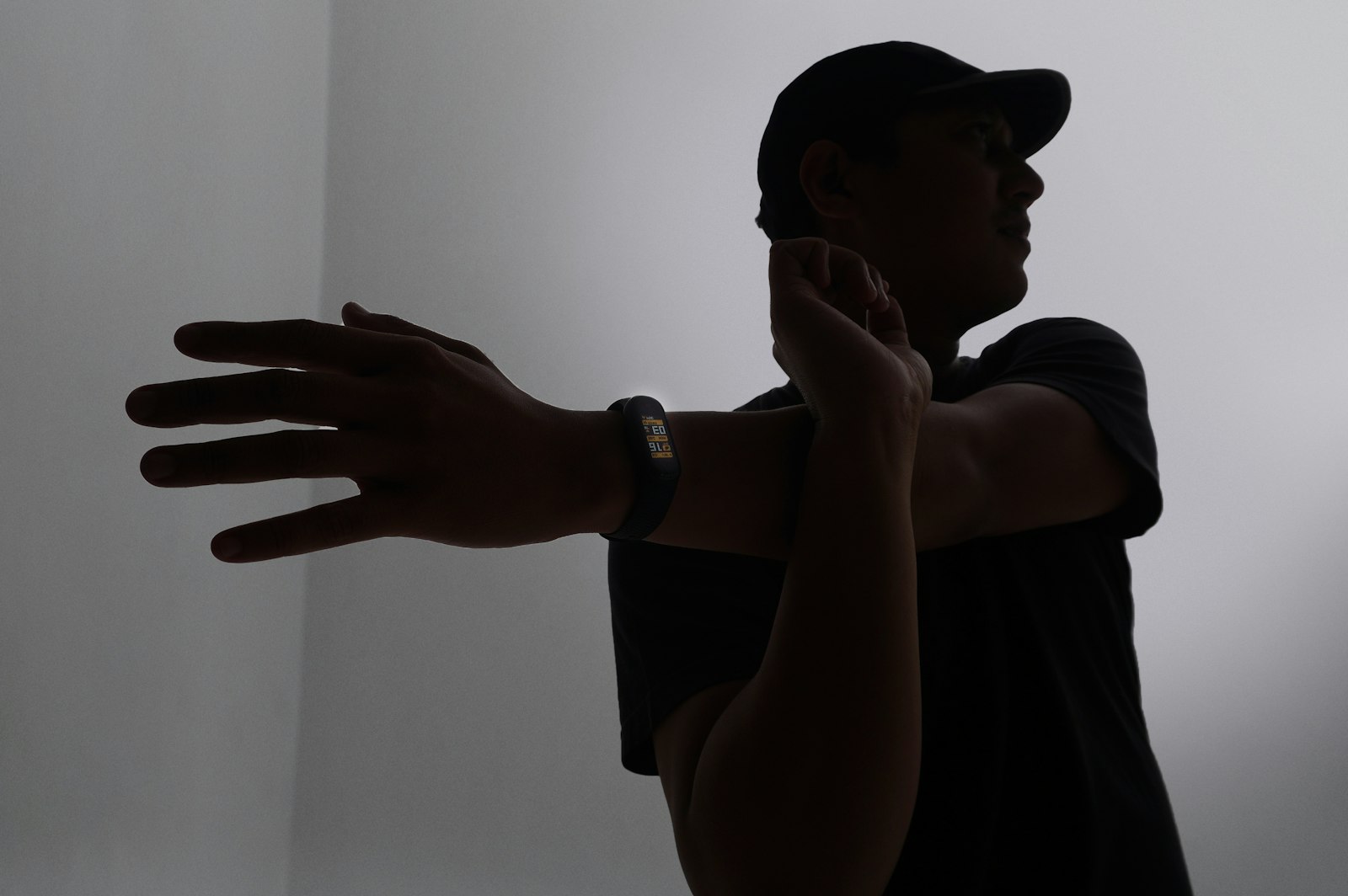
For a few years, "screenless recovery band" basically meant Whoop. That changed fast in the last few weeks: Garmin launched the Cirqa Smart Band — its first-ever screenless wearable — and Polar's own screenless band, the Polar Loop, has been picking up real attention alongside it. If you've been eyeing Whoop but didn't love the subscription, both are worth knowing about.
Garmin Cirqa: no subscription, familiar ecosystem
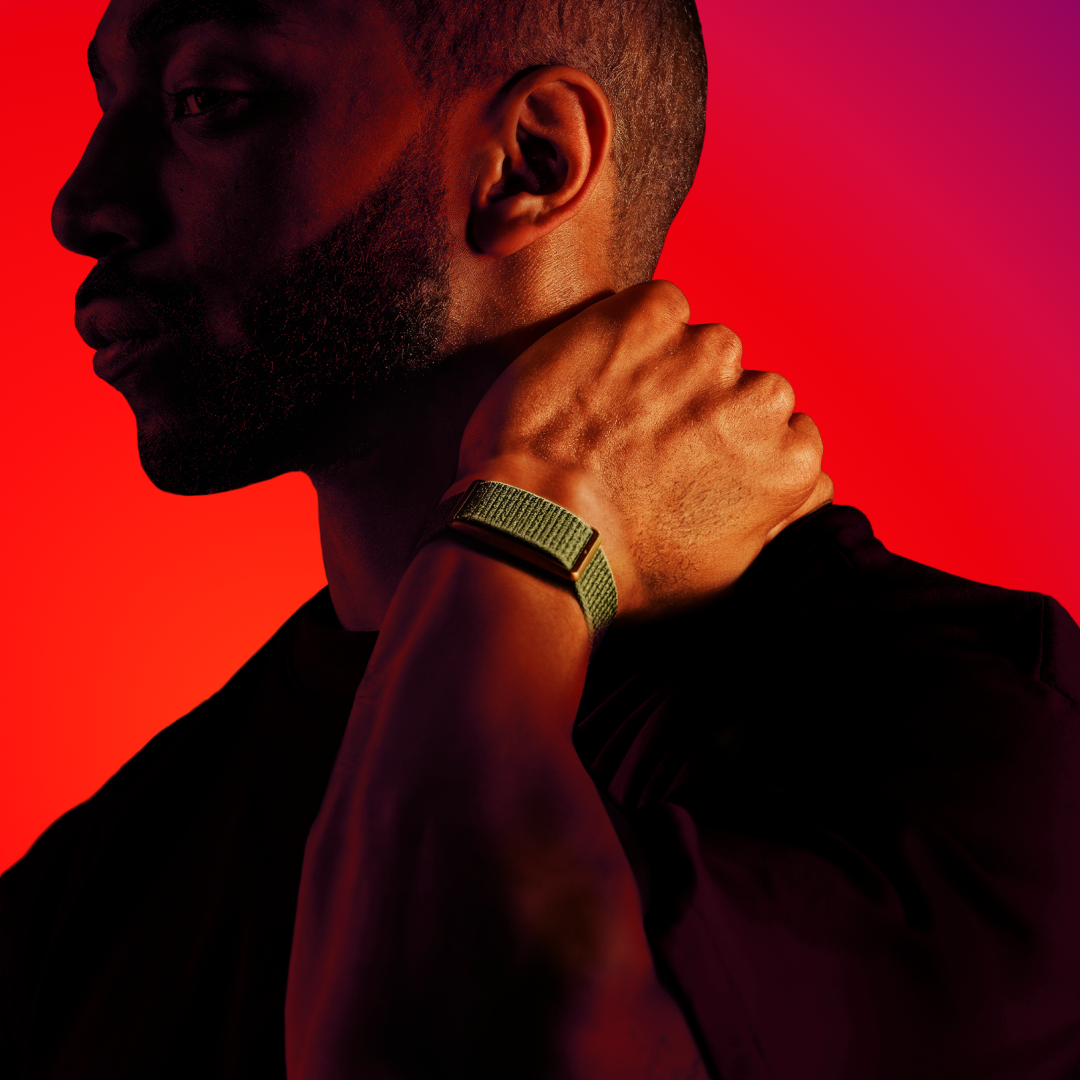
The headline feature isn't a sensor spec — it's the business model. Garmin Cirqa costs a flat $199.99 with no monthly fee, sitting between the budget Fitbit Air and the pro-tier Whoop 5.0. You get 24/7 heart rate, SpO2, nightly sleep reports, women's health tracking, over 80 auto-tracked activities, and access to Garmin's existing Training Load and Body Battery metrics — all inside the same Garmin Connect app that current Garmin watch owners already use. Battery life is rated at up to 10 days, and it can be worn on the wrist or as an upper-arm band, similar to Whoop.
For anyone already inside the Garmin ecosystem, this is the easiest sell of the three: familiar app, no new subscription, and data that sits alongside a Garmin watch you might already own.
Polar Loop: built to feed Polar Flow, not stand alone
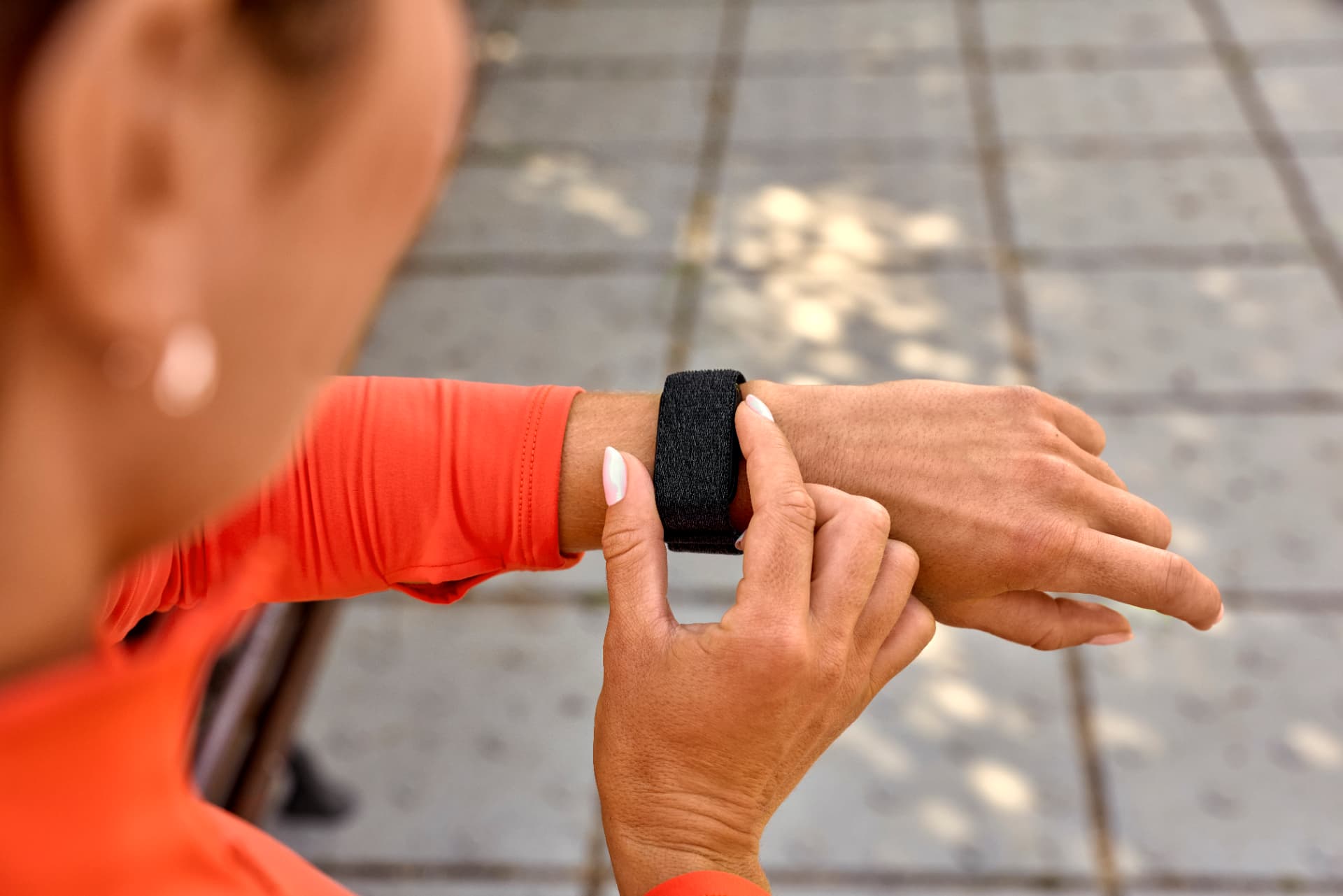
Polar Loop takes a similar no-subscription, screen-free approach, also around $199.99, with Polar's established Training Load Pro and Nightly Recharge metrics doing the analytical heavy lifting. It works best as an entry point into the wider Polar Flow training system — for manual workouts it acts mainly as a heart-rate sensor while your phone handles GPS, and it can auto-detect casual activity without your phone at all. Reviewers have flagged that it skips a few things rivals include, like vibration alerts and a user-facing SpO2 or temperature reading, which makes it a slightly harder sell unless you're already bought into Polar's training software.
How the field actually stacks up
| Whoop 5.0 | Garmin Cirqa | Polar Loop | |
|---|---|---|---|
| Price | Membership from ~$239/yr (device included) | $199.99 one-time | ~$199.99 one-time |
| Subscription required | Yes | No | No |
| Battery life | ~2 weeks | ~10 days | Several days+ |
| Best for | Deepest strain/recovery coaching | Garmin ecosystem owners, no-subscription buyers | Existing Polar Flow users |
Daily Chore Take
If you already own a Garmin watch, the Cirqa is close to a no-brainer as a sleep-tracking companion — same app, same metrics, no new bill. If you're Polar-loyal, the Loop does the same job inside Polar Flow, with slightly fewer bells and whistles. Whoop still has the edge in pure recovery coaching depth, and that's worth paying for if strain-based coaching is genuinely what you want — but "genuinely good, no-subscription alternative" is no longer a gap in the market. It's a real choice now, and for most hobby athletes who just want a reliable read on sleep and recovery, that choice increasingly doesn't need to include a monthly bill.