VORBEREITUNG · 6 MIN READ
The Race-Morning Mistake That Wrecks More Races Than Bad Training
The gap between a personal best and hitting the wall often comes down to what happened at breakfast. Here's the timing and composition that sports science actually agrees on.
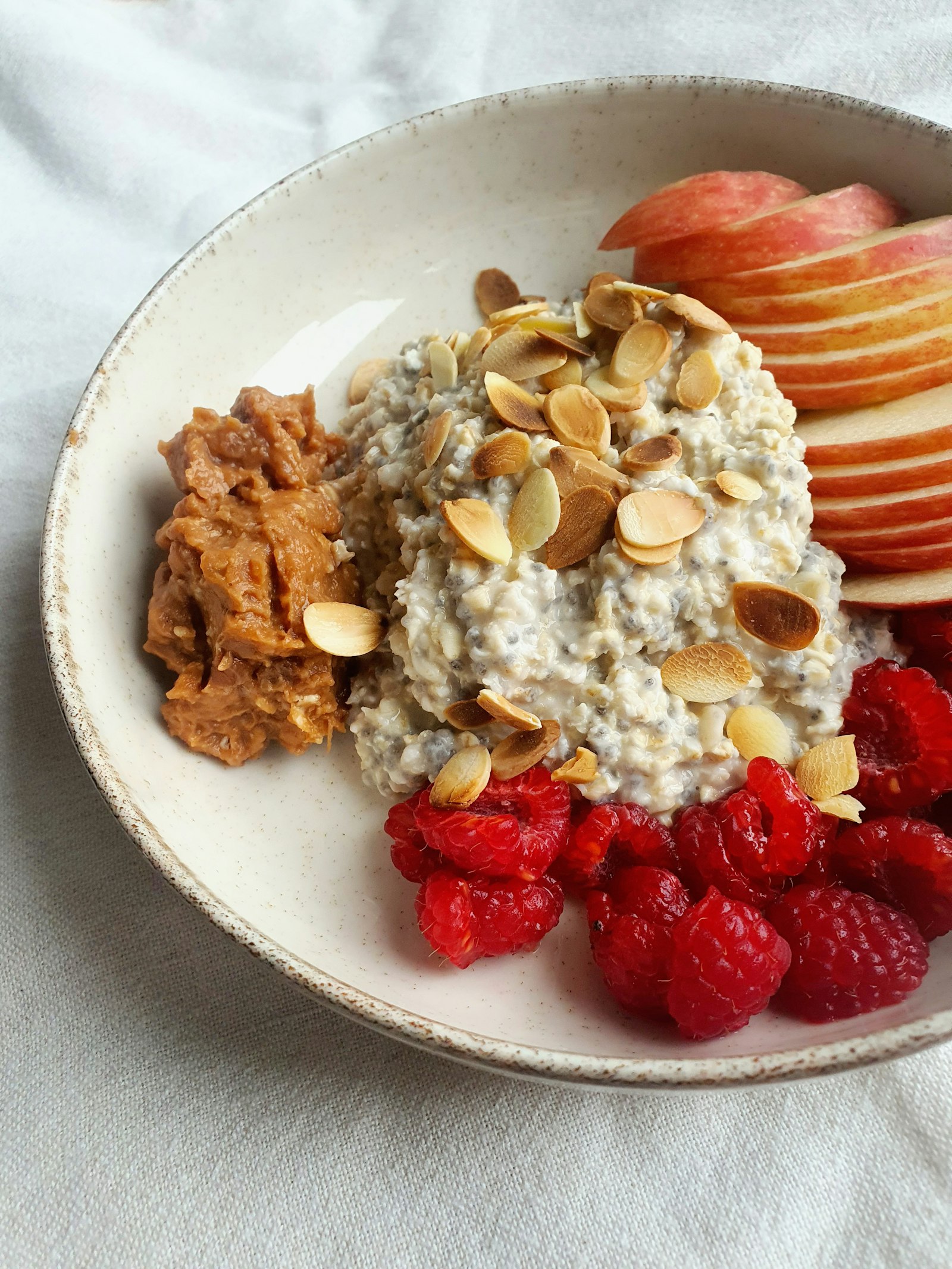
Race morning nutrition gets overcomplicated fast, but the core guidance is more consistent across sources than most fitness content admits.
Timing: 2–4 Hours Before the Gun
This window shows up consistently across sports nutrition research: eating too close to the start risks GI discomfort as blood flow shifts to working muscles mid-digestion; eating too early risks running low on topped-up glycogen before you've even started. If your race starts at 8:00, that puts breakfast somewhere between 4:00 and 6:00 — early, but worth the alarm.
How Much: 1–4g of Carbs per Kilogram
The consistent target across multiple sports nutrition sources is 1–4 grams of carbohydrate per kilogram of bodyweight, eaten 2–4 hours out. For a 70kg runner, that's roughly 70–280g of carbs — in practice, a big bowl of oatmeal with banana and honey, a couple of bagels with jam, or a rice-and-banana combo for anyone with a sensitive stomach.
Keep fat, fiber and protein low in this specific meal — all three slow gastric emptying, which is exactly what you don't want with the clock running. This is not the meal to try something new or "healthy-optimize."
The Golden Rule: Nothing New
Every credible source agrees on this above all else: your race-morning breakfast should be something you've eaten before a long training run, not something you're trying for the first time. Stomachs are unpredictable under race-day adrenaline in ways they aren't in training — test everything, including caffeine and gels, well before race day.
Hydration
A simple, well-supported guideline: sip 16–24 ounces (roughly 500–700ml) of water or an electrolyte drink alongside breakfast, continuing in smaller sips up to the start. Overshooting this — especially with plain water and no electrolytes — carries its own risk (hyponatremia, low blood sodium), so more is not automatically better.
Caffeine, If You Use It
A dose of roughly 3–6mg per kilogram of bodyweight, taken 30–60 minutes before the start, is well-supported for a genuine performance benefit — for a 70kg runner, that's around 200–400mg, roughly a strong coffee plus a caffeinated gel. The important caveat: only if caffeine is already a normal part of your training routine. Race day is not the day to introduce it.
The Final Top-Off
15–30 minutes before the start, a small additional carb hit (a gel, a few sips of a sports drink) helps top up blood glucose right as adrenaline starts burning through it faster.
Daily Chore Take
If there's one number to actually remember from all of this, it's simply "familiar food, 2–4 hours out." Everything else — exact grams, specific products, caffeine timing — is fine-tuning around that one non-negotiable rule, and the fine-tuning only matters once the basic timing is locked in through your own training runs.
*This article discusses general sports nutrition guidance and isn't personalized medical or dietary advice.*