THE WORK BEHIND · 6 MIN READ
The Rise of Running Fashion — and the Quiet Death of Athleisure
Athleisure made running clothes acceptable for the couch. Now the opposite is happening — real running gear, styled for the street, is replacing generic loungewear as the aesthetic that actually matters.
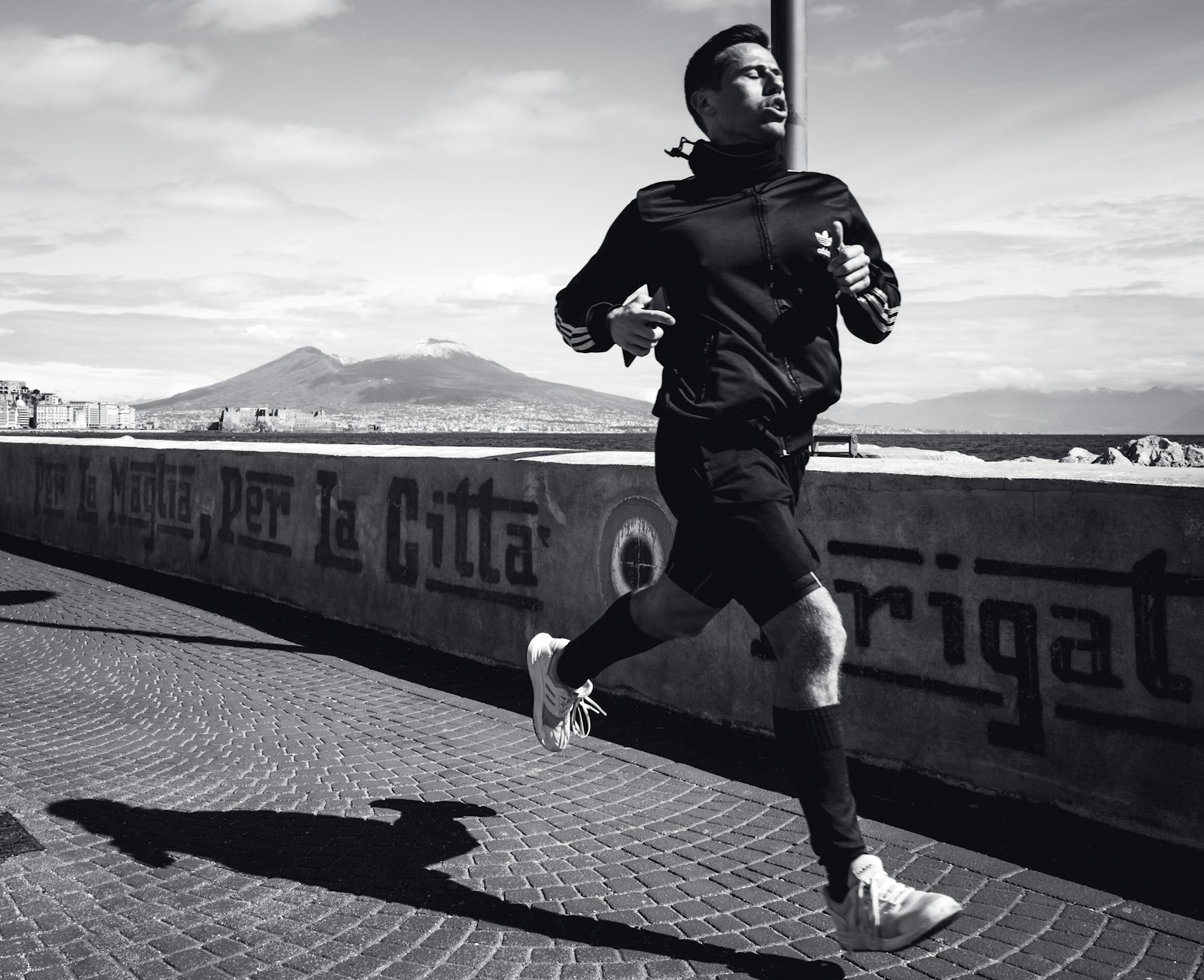
For most of the last decade, "athleisure" meant one direction of travel: gym clothes leaving the gym. Leggings replaced jeans, hoodies replaced blazers, and the entire category — Lululemon, Athleta, the endless legging drops — was built on comfort first, performance a distant second. Most people wearing it were never running anywhere.
That direction has quietly reversed.
From Loungewear to "Sportstyle"
Industry trend-watchers now use a specific term for what's replacing generic athleisure: sportstyle — technical fabric and genuine sport-grade construction, cut into silhouettes people actually want to wear on the street, not just the treadmill. It sits somewhere between old-school athleisure (all comfort, little function) and gorpcore (all technical hiking gear, little style) — and the brands leaning hardest into it are growing fast. ASICS' broader sportstyle business reportedly grew over 50% year-on-year in a recent quarter; Salomon has become one of the most in-demand names for fashion collaborations, alongside Stüssy, signaling a real shift toward utilitarian, outdoor-influenced aesthetics over the polished gym-to-brunch uniform that defined the 2010s.
The Brands Actually Driving It
A handful of independent running labels are widely credited with kicking off this specific shift — running clothes designed to look genuinely good, not just technically sound.
Tracksmith, launched in 2014, is often cited as the brand that started the current wave of fashionable independent running labels — its look pulls from 1970s and '80s New England running culture: colorful short shorts, retro striped singlets, pieces that work as easily on a flight or an errand run as an actual run.
Satisfy, a Paris-based label, built its identity on technical pieces disguised as ordinary streetwear — their "Mothtech" fabric intentionally looks distressed and worn-in while still performing on the road or trail.
Bandit, founded during the pandemic by members of a New York City run club, produces limited-run pieces that frequently sell out — a genuinely community-grown label rather than a legacy sportswear brand chasing a trend.
Roark brings a surf-inspired sensibility into running gear, including pieces built to double as everyday clothing.
District Vision has done for running eyewear what the others have done for apparel — technical, futuristic frames that have become a favorite among culturally visible wearers well beyond the running community itself.
View this post on Instagram
Why This Is Different From the Athleisure Boom
The athleisure wave of the 2010s was mostly about comfort colonizing everyday life — stretchy fabric replacing structured clothing because people wanted to feel like they were dressed for the gym even when they weren't going. The current shift runs in the opposite direction: it's rooted in people who are actually running, racing and training, wanting gear that reflects that identity with genuine craft, not just a swoosh and a stretchy waistband.
It also lines up with something bigger happening in the sport itself — race entries are harder to get, run clubs are growing, and running has become a visible part of people's social identity in a way it wasn't a decade ago. The clothing is following the culture, not manufacturing it.
Daily Chore Take
Whether "peak running" talk turns out to be right or just a recurring anxiety every growing trend produces, the shift in what people actually want to wear on a run — and after one — reflects something real: running has stopped being just a workout for a lot of people, and started being an identity worth dressing for properly.