THE WORK BEHIND · 8 MIN READ
THE WORK BEHIND #001 — How Jutta Leerdam Trains: The Strength, Speed and Fuel Behind an Olympic Champion
Olympic gold in the 1000m, an Olympic record, redemption after Beijing 2022 silver — and one of the biggest platforms in sport. Here's the actual training behind Jutta Leerdam's breakthrough, not just the highlight reel.
Why Her, Why Now
At the Milano Cortina 2026 Winter Olympics, Jutta Leerdam won gold in the women's 1000m in Olympic-record time (1:12.31) — four years after settling for silver in the same event at Beijing 2022. Six days later she added silver in the 500m. It's her third Olympic medal overall, and it landed in front of the largest audience speed skating has had in years, thanks to a platform that extends well past the ice.
View this post on Instagram
Athlete Snapshot
- Sport: Long-track speed skating, sprint specialist (500m / 1000m / 1500m)
- Nationality: Dutch
- Turned pro: 2018 · Club: Team KaFra (since 2024)
- Olympic medals: 3 (1000m gold + 500m silver, Milano Cortina 2026; 1000m silver, Beijing 2022)
- World titles: multiple-time world champion in sprint events
Built for the Sport
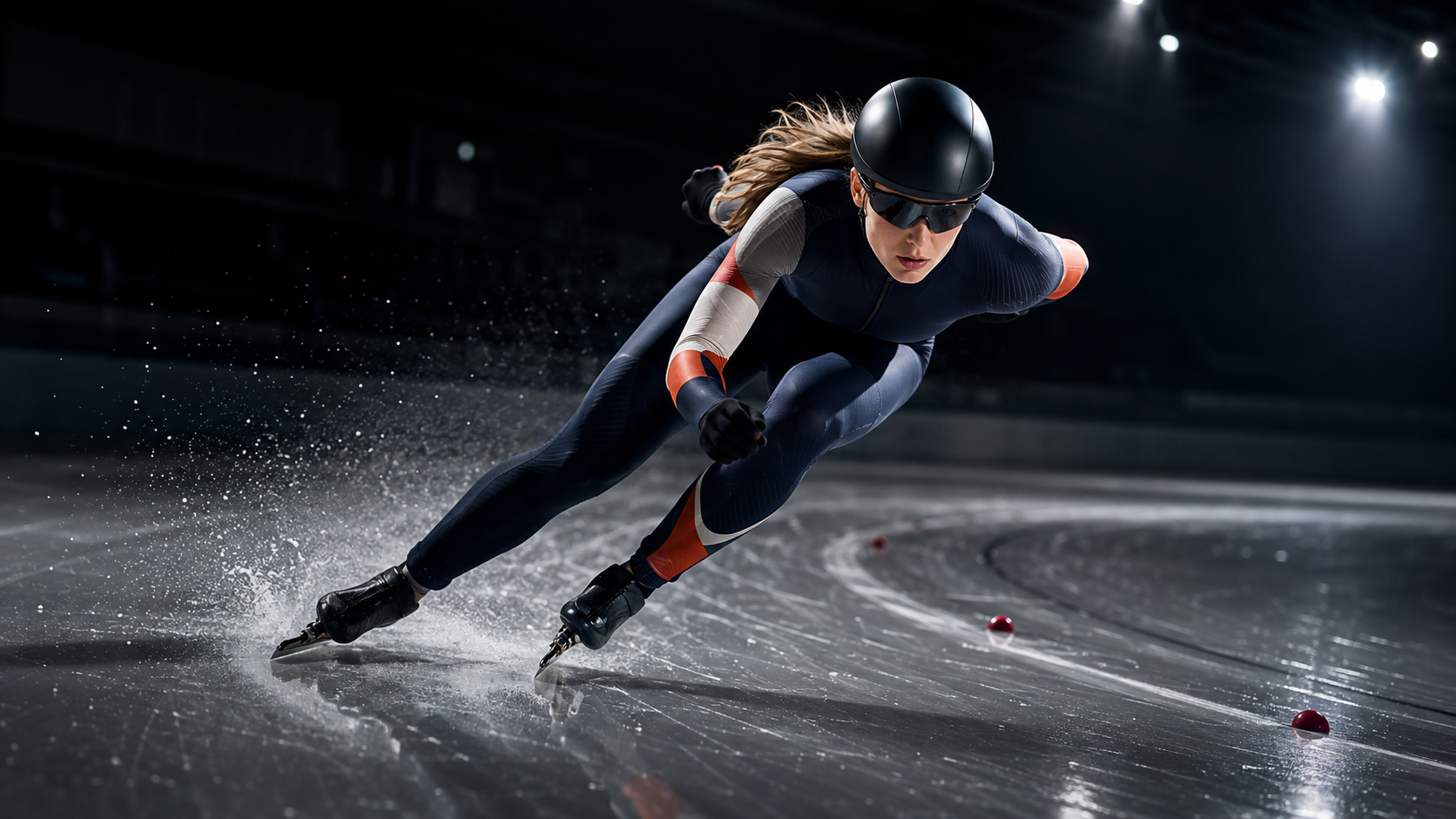
Sprint speed skating is a strange hybrid: races last well under 90 seconds, but skaters hold a deep knee bend for the entire distance to stay aerodynamic — a position that punishes anyone without serious quad and glute strength. Leerdam has described it plainly: the sport demands flexibility, endurance and power all at once, and none of the three can lag behind the others without the whole thing falling apart.
How She Trains
Leerdam trains twice a day, with one rest day per week. The two training blocks split by season rather than by muscle group:
- Summer (off-ice base building): heavy cycling volume — block training, mountain biking, hours of easy-intensity riding to build the aerobic engine that everything else sits on top of.
- Winter (race prep): ice time, weight training and cycling in combination, shifting the emphasis from raw base fitness to race-specific power and technique.
Signature Sessions
The clearest picture of her training comes from her own description of the seasonal split: long, low-intensity cycling blocks in summer building toward shorter, higher-intensity ice-and-strength double days as competition season approaches. It's periodization in a very literal sense — base first, sharpness later.
How She Fuels
Leerdam has spoken publicly about changing her relationship with food earlier in her career, moving away from restrictive, appearance-focused eating toward eating enough to actually fuel two-a-day training. It's a shift she credits as part of what allows her to perform at this level now — a reminder that "eating for performance" is a real, trainable mindset shift, not just a slogan.
Recovery & Mindset
Leerdam has talked about carrying real pressure into these Games — including years of public commentary suggesting she should give up on the 500m specifically, a distance where she hadn't medaled as consistently as the 1000m. She's been open about wanting her results to mean something beyond herself, saying she hopes young girls watching learn not to get discouraged by people telling them they can't do something.
Coach's Breakdown
What stands out about Leerdam's structure isn't any single session — it's the seasonal honesty of it. She doesn't try to hold peak sharpness year-round. Summer is unapologetically about aerobic base (volume, low intensity, hours in the saddle); winter is unapologetically about race-specific power and skill. Hybrid athletes chasing HYROX or functional fitness goals often make the opposite mistake: staying in a permanent grey zone of medium-hard sessions that build neither a real base nor real sharpness. Leerdam's split is a clean reminder that the phases are supposed to look different from each other.
What You Can Actually Use
1. Separate your base-building phase from your sharpening phase. Don't try to build aerobic capacity and race-day power in the same week — sequence them. 2. A rest day is part of the program, not a failure of it. Even at two-a-days, one full day off per week is non-negotiable. 3. Reframe food as fuel for the training you're doing now, not a reward for the body you're trying to have.
The Daily Chore Session
Inspired by the explosive, deep-knee-bend power demands of sprint speed skating — this is a Daily Chore original, not Leerdam's actual program:
"Sprint Engine" — 4 rounds, rest 2 min between rounds:
- 8 x heavy goblet squats (deep, controlled)
- 10 x lateral bounds (5 each side, max distance)
- 20-second max-effort assault bike sprint
- 30-second wall sit
Gear / Events / Related Guides
Building explosive lower-body power translates directly to HYROX sled work and OCR events — check our Strength Training event guides and gear picks built for short, brutal efforts.
Sources & Last Updated
Olympics.com, Wikipedia, Yahoo Sports, NBC Olympics, CelebWell. Last updated August 2026.