VORBEREITUNG · 6 MIN READ
Zone 2 Training Explained for People Who Just Want to Finish, Not Win
Everyone's suddenly talking about Zone 2. Here's what it actually is, why it works, and how to find your own without a lab.
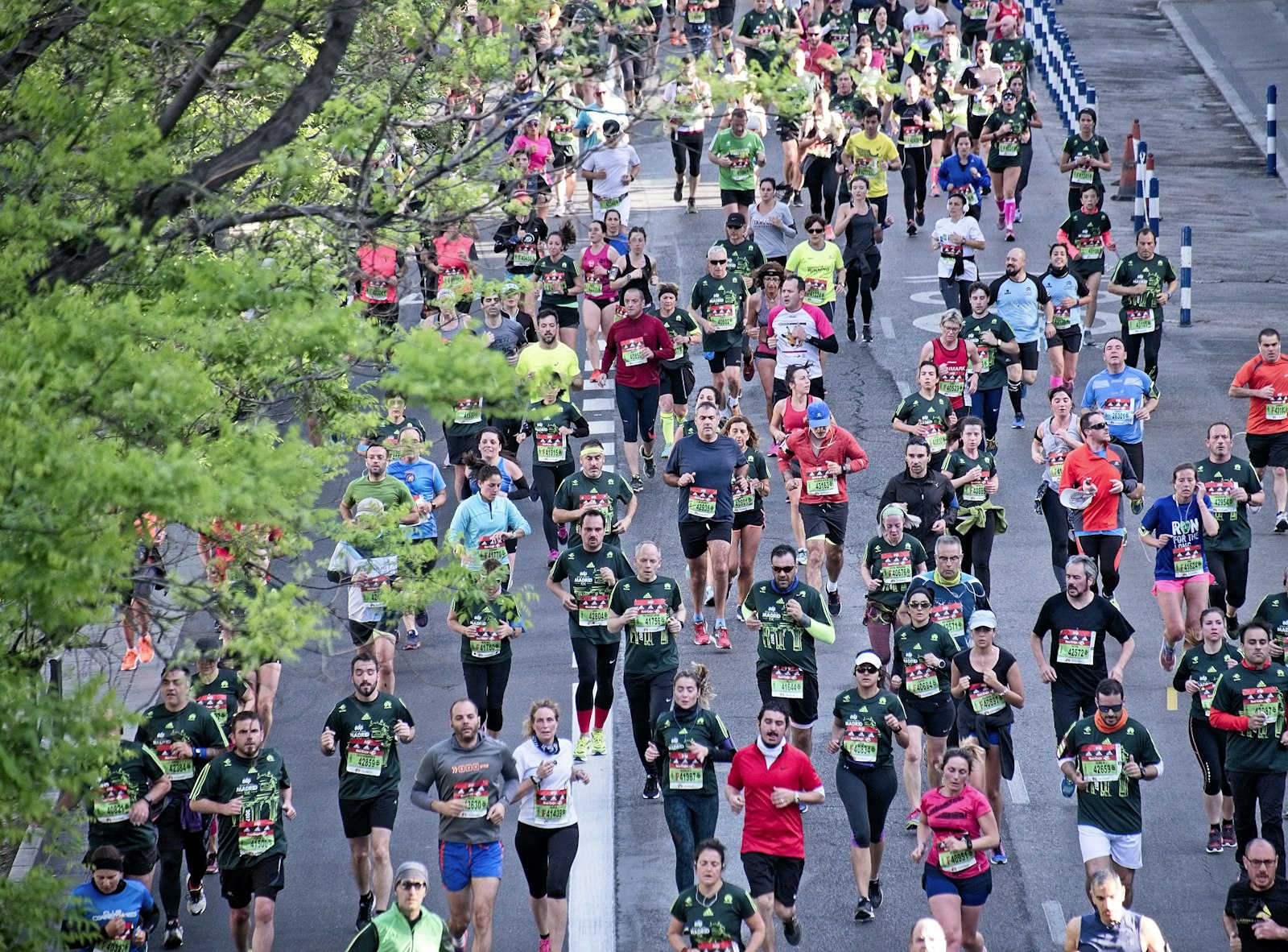
Why is everyone suddenly running slower on purpose?
If your feed is full of people bragging about how slow their "easy run" was, they're not being ironic. Zone 2 training — building your aerobic base at a genuinely easy, conversational pace — has become the most talked-about training concept outside elite sport, and for once, the hype is mostly deserved.
What Zone 2 actually is
Your heart rate (and effort) sits across five rough zones, from very easy to maximal. Zone 2 is the second-lowest — a pace that feels almost too easy, where you could hold a full conversation without gasping. Physiologically, it's the intensity at which your body is best at burning fat for fuel and building the aerobic (mitochondrial) base that everything faster is eventually built on top of.
Why it's not just a trend
The idea isn't new — endurance coaches have used aerobic base-building for decades. What's new is broader awareness that most recreational athletes run their "easy" days too hard, which caps how much total volume they can handle and how well they recover. A large chunk of a well-structured training week — commonly cited as roughly 80% — is meant to happen at genuinely easy effort, with only a small portion spent hard.
How to find your Zone 2 without a lab test
You don't need a VO2max test to get a useful estimate:
1. The talk test. If you can't speak in full sentences, slow down. That's the simplest, most reliable field method there is. 2. Nasal breathing. If you can sustain the pace breathing only through your nose, you're very likely in an aerobic zone. 3. Heart rate estimate. A common rough formula is 180 minus your age, adjusted down a few beats if you're new to training or coming back from a break, and up a few if you're an experienced athlete. Treat this as a starting point, not gospel — individual variation is large. 4. A proper lab or field test. The only way to get your actual thresholds is a lactate or gas-exchange test (more on that in our guide to at-home lactate testing) — worth it if you're training seriously, unnecessary if you just want a solid estimate.
The hard part: it feels too slow
The single biggest reason hobby athletes fail at Zone 2 is ego. It genuinely feels unproductively slow at first, especially if you're used to running every session at a similar, moderately hard effort. Trust the process for a few weeks before judging it — the payoff shows up in how much volume you can handle and how you feel on your hard days, not in any single session.
Daily Chore Take
You don't need a coach, a lab, or a $400 ring to start. Slow your easy days down until you can hold a conversation, keep your hard days genuinely hard, and stop doing everything in the grey zone in between. That single change is behind more training breakthroughs for hobby athletes than any supplement or gadget on this list.